Longevity Research
This is the largest group in the catalogue and the broadest. It covers compounds used in work on mitochondrial function, cellular senescence, telomere biology and the redox chemistry that sits underneath all three.
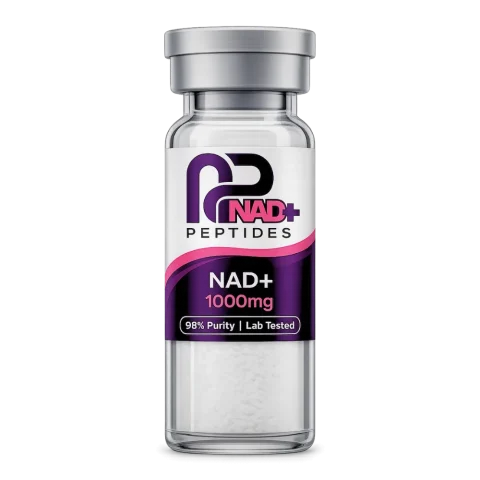
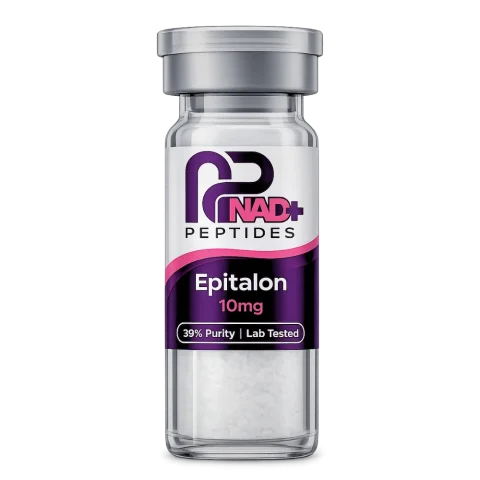
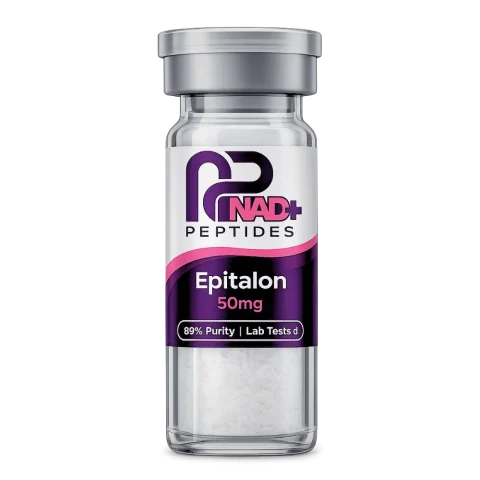
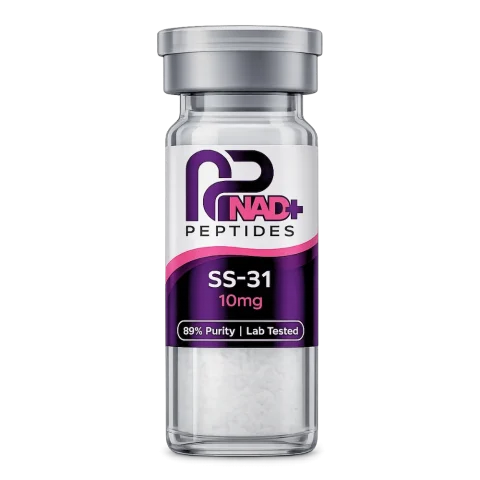
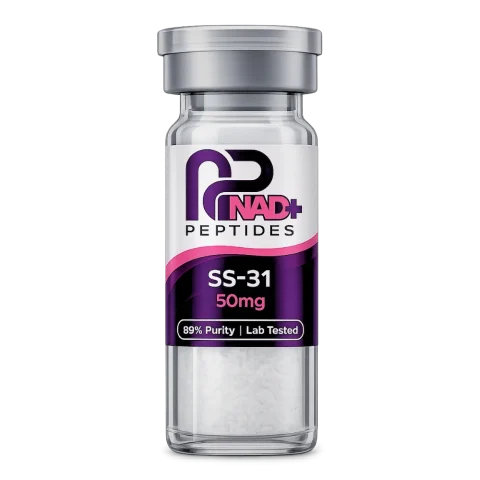
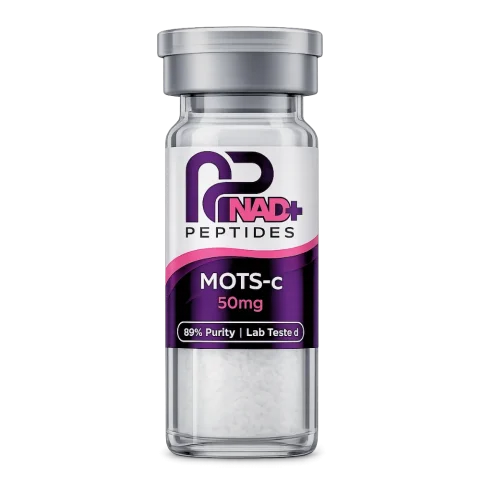
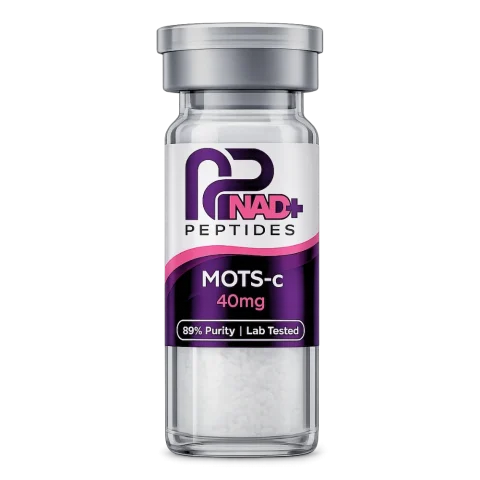
NAD+ is the compound most laboratories start with, being a coenzyme present in every living cell and central to the redox reactions that drive cellular metabolism. Around it sit the mitochondria targeted peptides, SS-31 and MOTS-c, and Epitalon for telomerase work. The larger vial formats exist because these are the compounds most often used across extended protocols where repeated small orders become a traceability problem.
Storage varies more here than anywhere else in the catalogue. NAD+ is refrigerated while the peptides are frozen, and mixing those up is the most common reason a compound underperforms. Each product page tells you exactly which.
All supplied for laboratory research use only, with tracked UK delivery.
What you get with every order
Every batch is tested twice, by two methods, for two different things. HPLC gives purity against a stated detection wavelength, mass spectrometry confirms identity, and both results appear on the certificate for the batch you are sent. A batch that fails either test is rejected rather than sold at a lower grade.
Storage conditions vary considerably across this group and are stated per compound rather than as one blanket instruction.